Remove Baked-On Microwave Grime with This Lemon Cleaning Hack
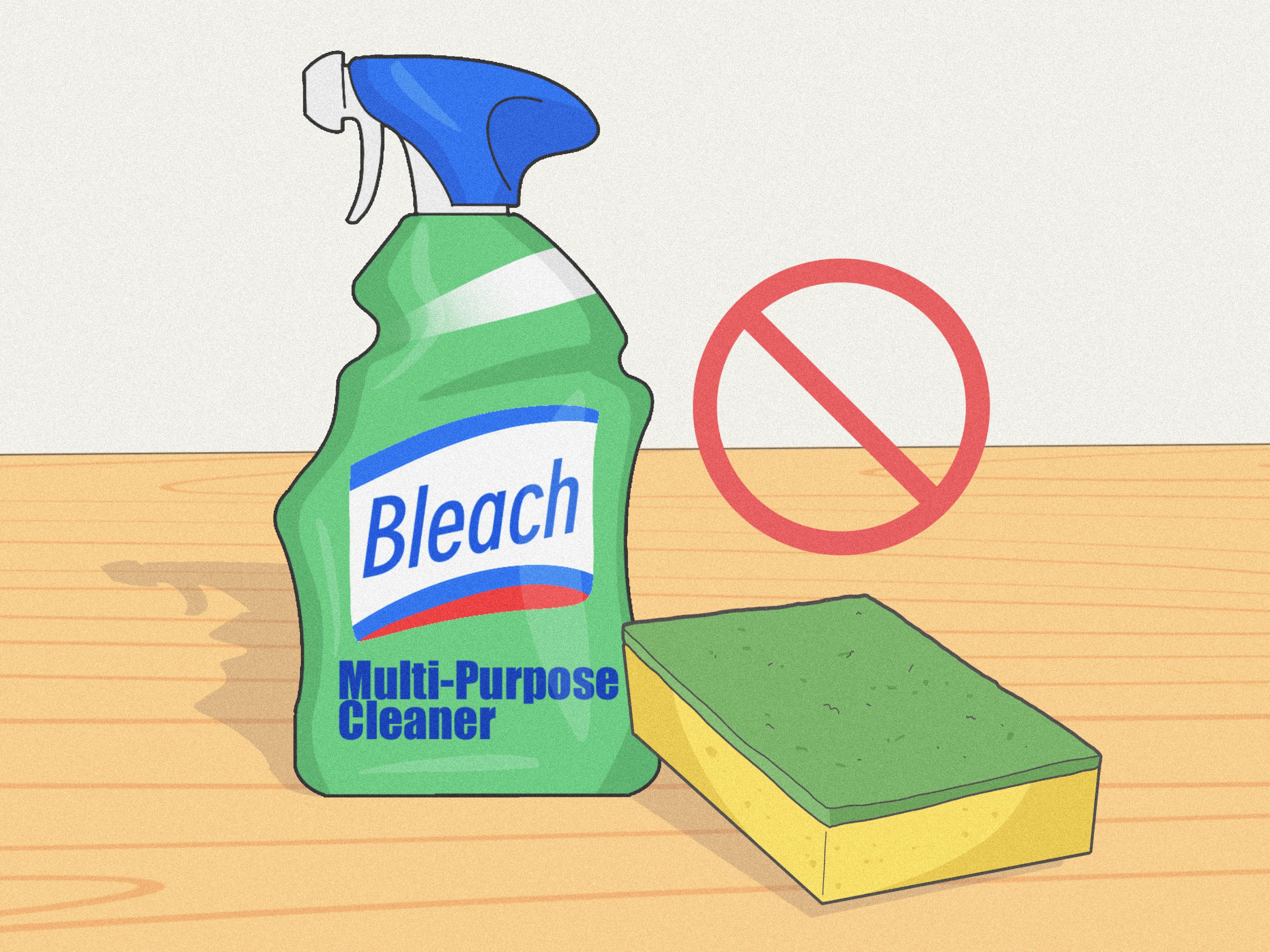
Is your microwave looking less like a convenient kitchen appliance and more like an archaeological dig site? We’ve all been there. Splatters, dried-on food explosions, and persistent odors can make even the thought of opening the microwave door daunting. While chemical cleaners promise sparkling results, many homeowners are hesitant to use harsh substances in an appliance that directly handles food. Fortunately, there's a brilliant, all-natural solution that has been a secret weapon for generations of home cleaners: the mighty lemon. This guide will walk you through precisely
how to clean a microwave with lemon, transforming it from grime-ridden to gleaming with minimal effort and a fresh, citrusy scent.
The Zesty Science Behind Lemon’s Cleaning Power
Before we dive into the steps, let's understand why a simple lemon is so effective against baked-on microwave messes. The secret lies in its natural composition. Lemons are packed with citric acid, a powerful organic acid known for its dissolving and degreasing properties. When heated, the lemon juice and rinds create a potent, acidic steam that penetrates and loosens even the most stubborn, dried-on food particles.
But it’s not just about breaking down grime. Lemon also boasts natural antimicrobial qualities, helping to sanitize surfaces without relying on harsh chemicals. And let's not forget the delightful bonus: a fresh, clean citrus aroma replaces any lingering unpleasant food smells. This means you can achieve a truly deep clean, effortlessly lift baked-on residues, and naturally deodorize your microwave, all while avoiding abrasive scrubbing and chemical fumes. It's an eco-friendly, budget-friendly, and highly effective approach to appliance maintenance.
Your Step-by-Step Guide: How to Clean a Microwave with Lemon
Ready to harness the power of citrus? Here’s everything you need to know to get your microwave sparkling clean using this simple lemon hack.
What You’ll Need:
- A microwave-safe bowl (glass is ideal, like a Pyrex dish)
- 1 fresh lemon
- 1 cup (approximately 240 mL) of tap water
- A clean, soft cloth or sponge
- Oven mitts or a pot holder (for safety)
The Cleaning Process:
- Prepare Your Lemon Solution: Fill your microwave-safe bowl with about one cup of tap water. Take your fresh lemon, slice it in half, and squeeze the juice from both halves directly into the water. Once you've extracted the juice, drop the remaining lemon rinds into the bowl as well. The rinds contain essential oils that contribute to both the cleaning power and the refreshing scent.
- Heat and Steam: Place the bowl with the lemon-water mixture into the center of your microwave. Close the door and heat on high power until the water comes to a rolling boil. This usually takes around 3-5 minutes, depending on your microwave's wattage. Watch for visible steam building up inside the microwave.
- Let It Sit and Steam: Once the water has boiled, *do not open the microwave door immediately*. Keep the microwave door closed and allow the bowl to sit inside for an additional 5-10 minutes. This crucial waiting period allows the hot, acidic steam to work its magic, softening and loosening all the baked-on food splatters and grime on the interior surfaces – the walls, ceiling, floor, and even the door. The longer you let it steam, the easier the wiping process will be.
- Carefully Remove and Wipe: Using oven mitts or a pot holder, carefully remove the bowl from the microwave. It will be very hot. Be mindful of the hot steam escaping as you open the door. Now, take your clean, soft cloth or sponge and begin wiping down all interior surfaces of the microwave. You'll be amazed at how easily even tough, dried-on food particles will slide off. Start with the ceiling, move to the walls, then the floor, and finally the inside of the door. Don't forget to wipe down the glass turntable as well; for a more thorough clean, you can remove it and wash it separately in the sink or dishwasher.
- Final Polish: If any minor streaks remain, a quick wipe with a dry cloth will leave your microwave gleaming and smelling wonderfully fresh.
For more detailed insights into this natural approach, explore our guide on
Clean Your Microwave Naturally: The Lemon Steam Method.
Beyond the Basics: Tips for Stubborn Grime and a Deeper Clean
While the lemon steam method is incredibly effective, sometimes a microwave can reach a level of "archaeological dig" that requires a little extra attention. Here are some additional tips for tackling particularly stubborn stains and ensuring a comprehensive clean:
- Repeat if Necessary: For extremely thick or old baked-on grime, you might need to repeat the lemon steaming process. Sometimes a second round of steam is all it takes to loosen those last tenacious spots.
- Spot Treatment with Baking Soda: If you encounter a few isolated, super-stubborn spots that resist even the lemon steam, create a paste using a small amount of baking soda and water. Apply this paste directly to the spot, let it sit for 5-10 minutes, and then gently scrub with a non-abrasive sponge or cloth. Baking soda is a mild abrasive that can safely lift tough stains.
- Vinegar Boost: For an extra powerful cleaning solution, consider adding a tablespoon of white vinegar to your lemon and water mixture before heating. Vinegar's acetic acid will complement the lemon's citric acid, providing an even stronger degreasing and deodorizing punch.
- Don't Forget the Exterior: While the lemon steam focuses on the interior, remember to wipe down the outside of your microwave too. A damp cloth with a tiny bit of dish soap or an all-purpose cleaner works wonders for fingerprints and general dust.
- Clean the Turntable Separately: As mentioned, the glass turntable can be removed and washed by hand with dish soap and water, or even placed in the dishwasher for a truly spotless finish.
The Lasting Benefits of a Lemon-Fresh Microwave
Cleaning your microwave with lemon isn't just about appearance; it's about maintaining a hygienic and pleasant cooking environment. By adopting this simple, natural hack into your regular cleaning routine, you'll reap several benefits:
- Chemical-Free Peace of Mind: You're eliminating harsh chemical residues from an appliance that directly heats your food, making it safer for you and your family.
- Cost-Effective: Lemons are inexpensive and readily available, making this one of the most budget-friendly cleaning methods out there.
- Environmentally Friendly: Ditch the single-use wipes and chemical sprays. Lemon cleaning is a greener alternative that reduces waste and chemical runoff.
- Natural Deodorizer: Say goodbye to lingering odors from last night's fish or popcorn. The lemon leaves behind a fresh, uplifting scent.
- Maintains Appliance Longevity: Regular, gentle cleaning prevents grime buildup that can potentially impact your microwave's efficiency and lifespan.
If you're looking for a quick refresh, check out
Naturally Freshen & Clean Your Microwave in Minutes with Lemon.
Conclusion
You don’t need an arsenal of chemical cleaners to tackle the toughest baked-on grime in your microwave. The humble lemon, with its natural acidity and refreshing scent, provides an incredibly effective, safe, and satisfying solution. By following these simple steps, you can effortlessly steam clean, deodorize, and sanitize your microwave, leaving it sparkling clean and smelling wonderfully fresh. Embrace this age-old cleaning hack and rediscover the joy of a pristine kitchen appliance. Your microwave – and your nose – will thank you!